
Flat Love Cinema: Decontextualized Intimacy
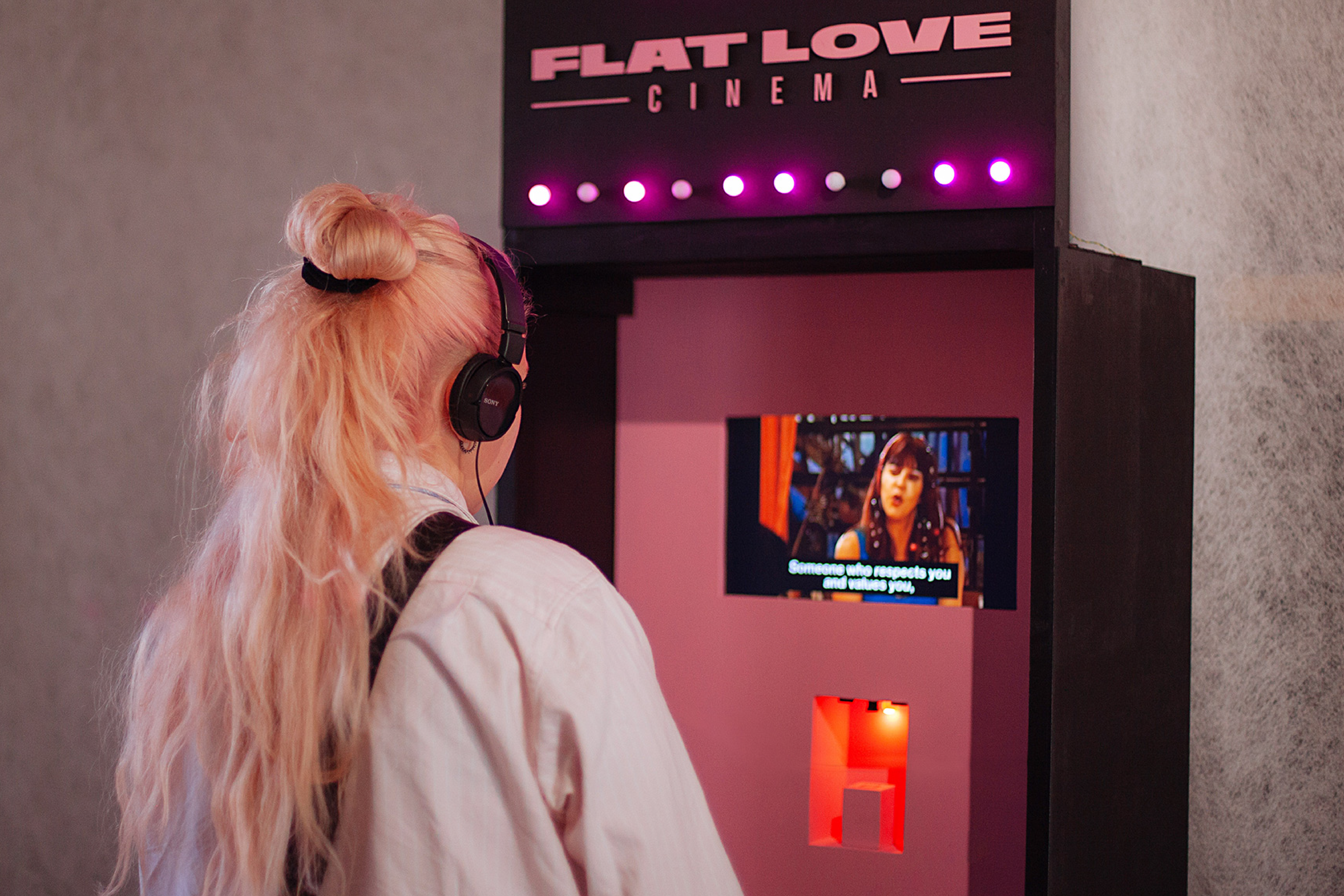
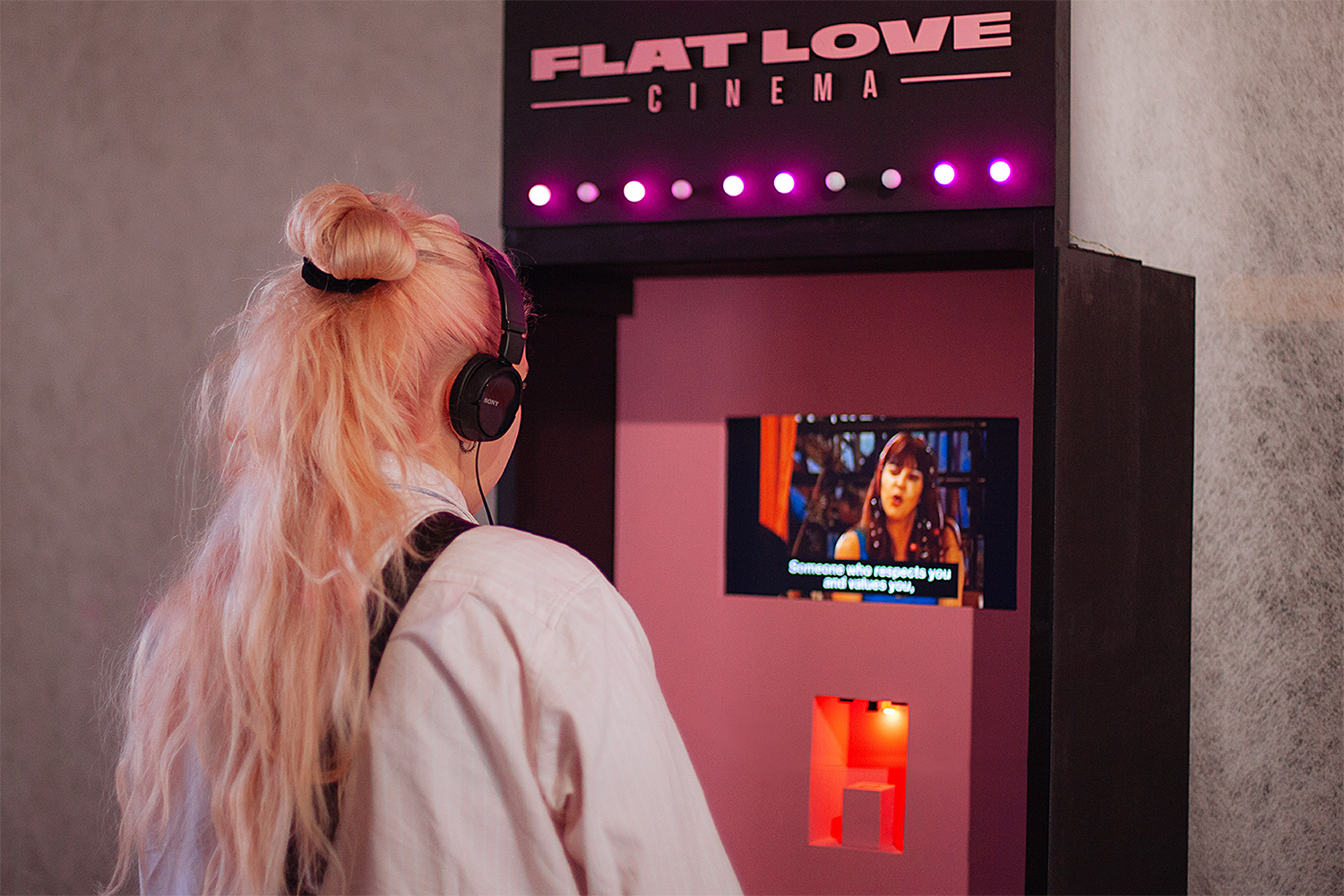
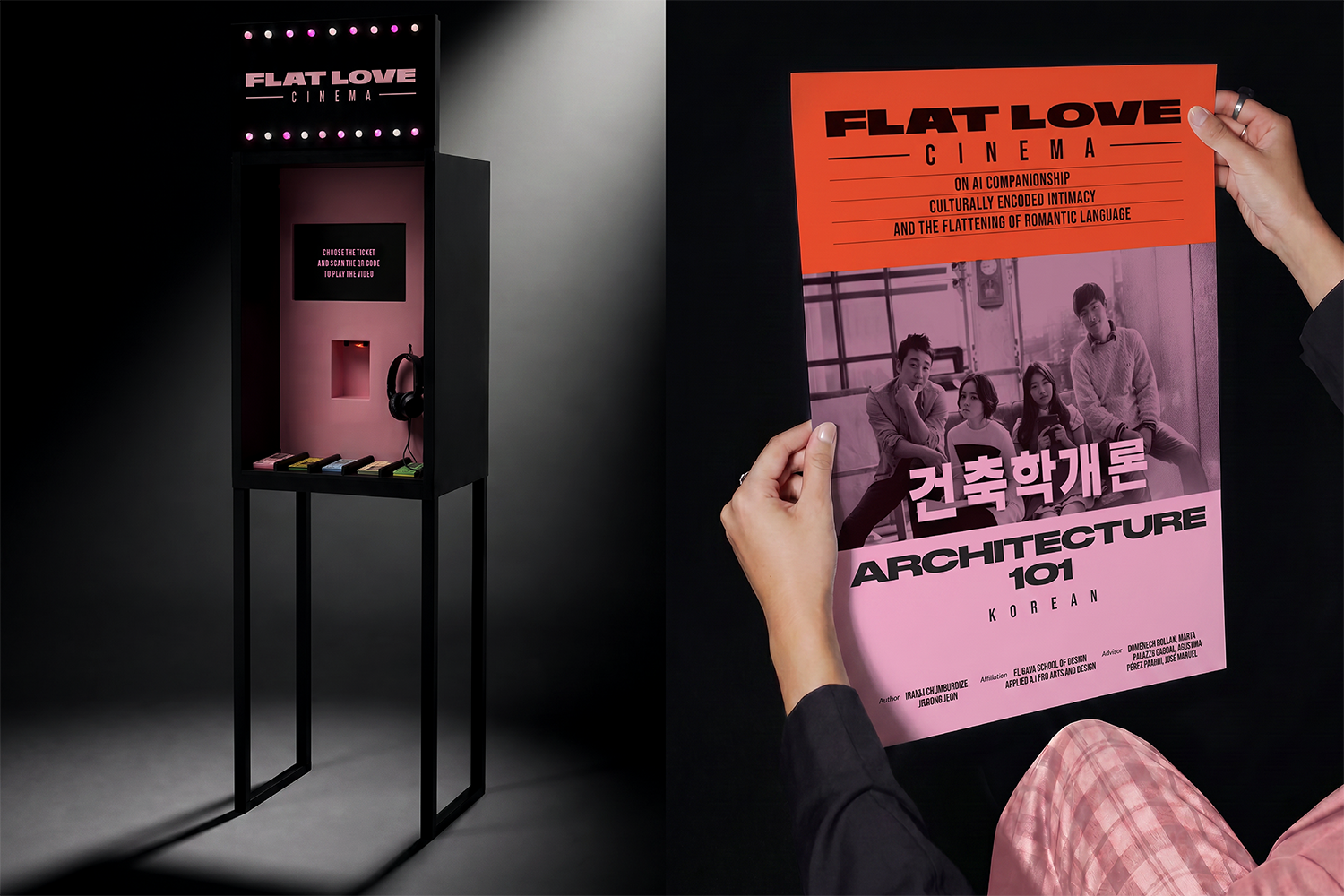
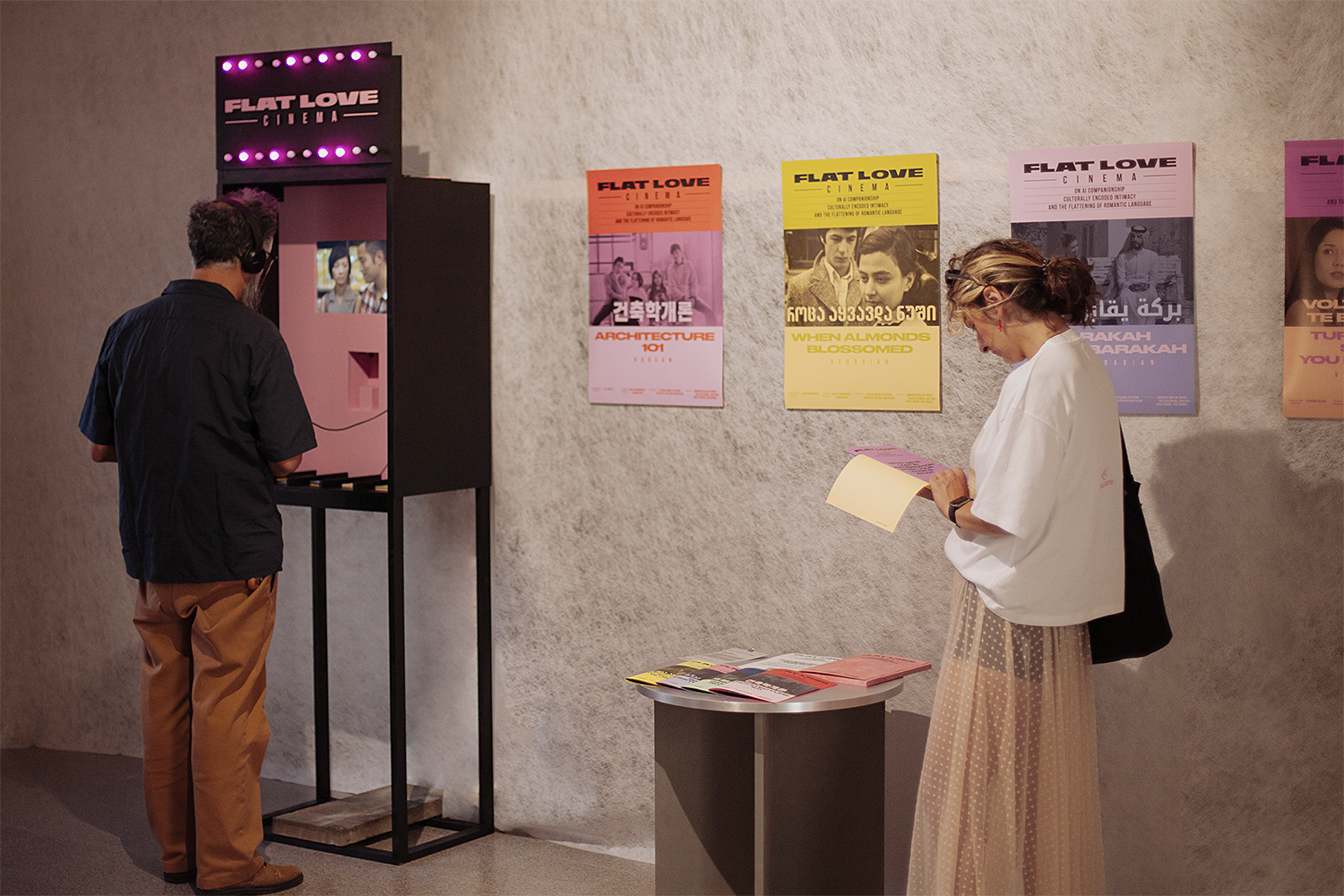
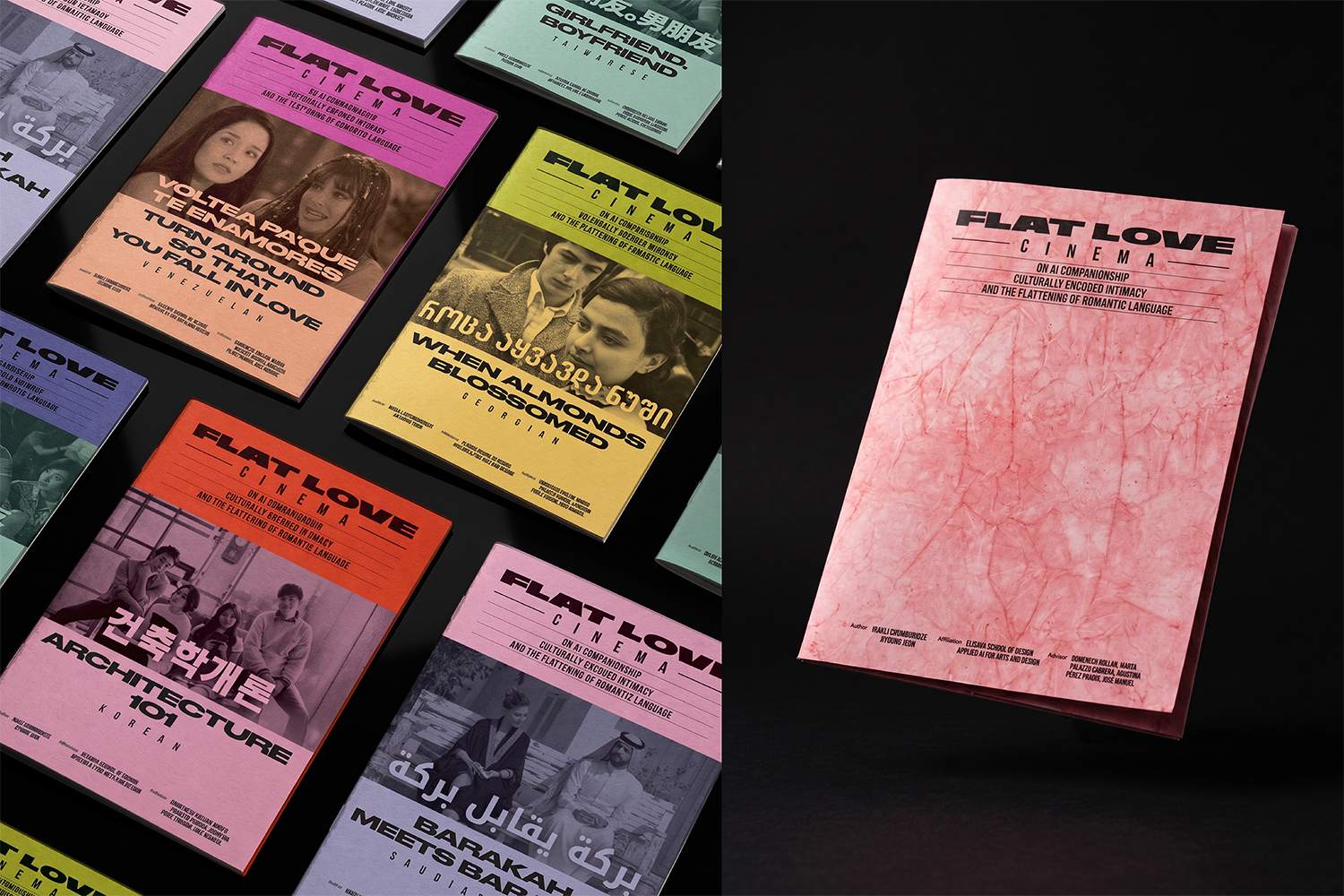
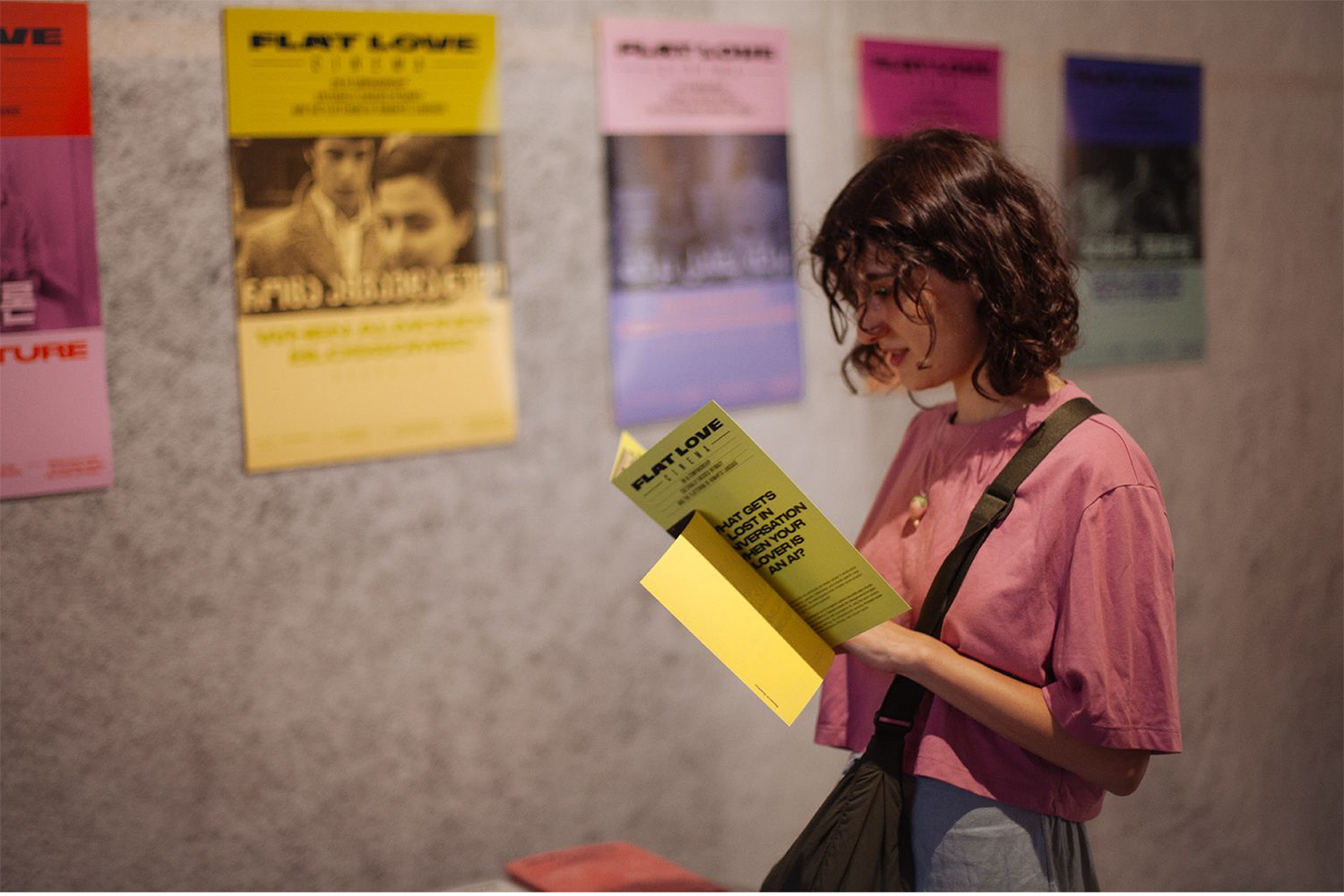
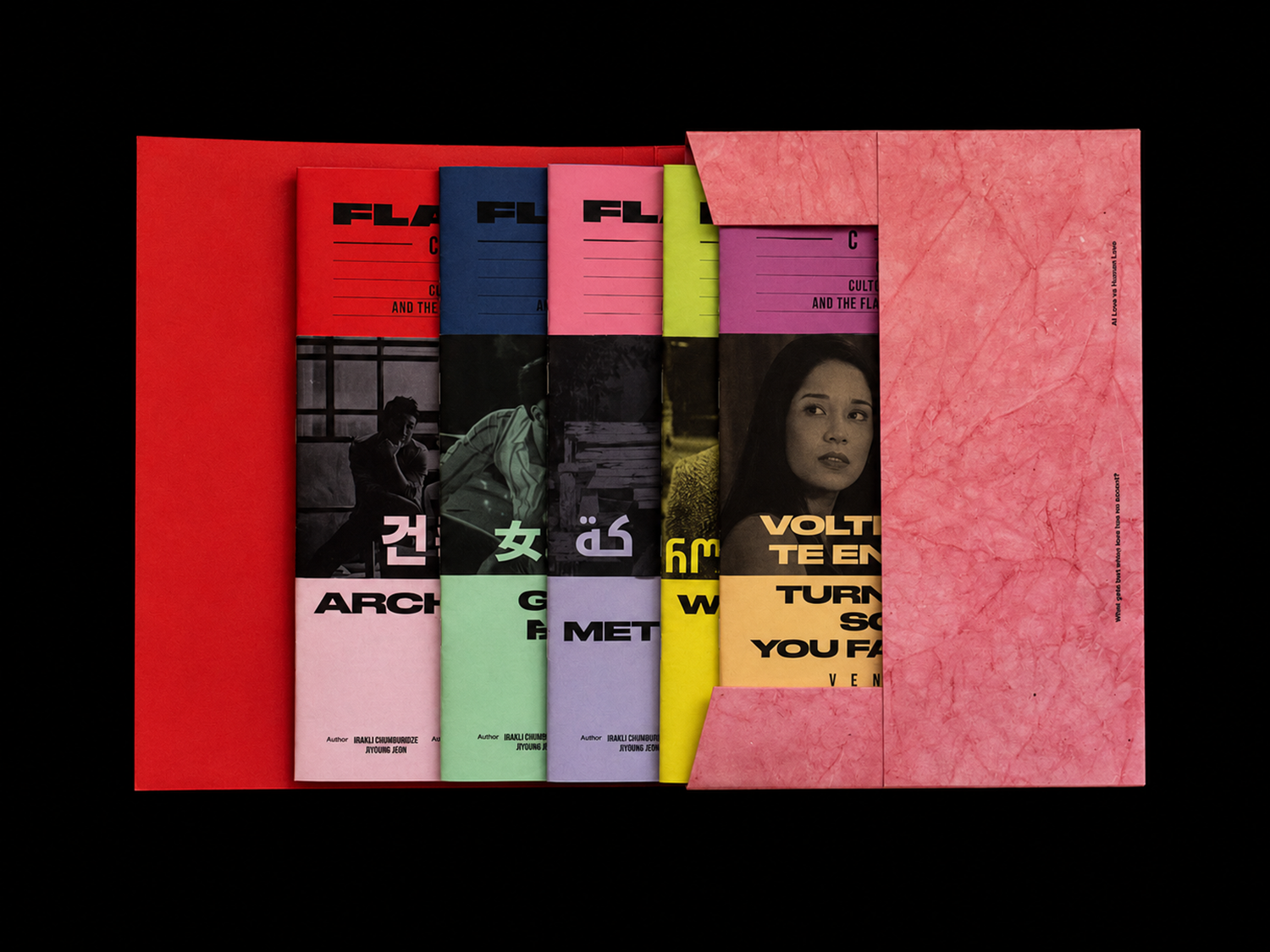
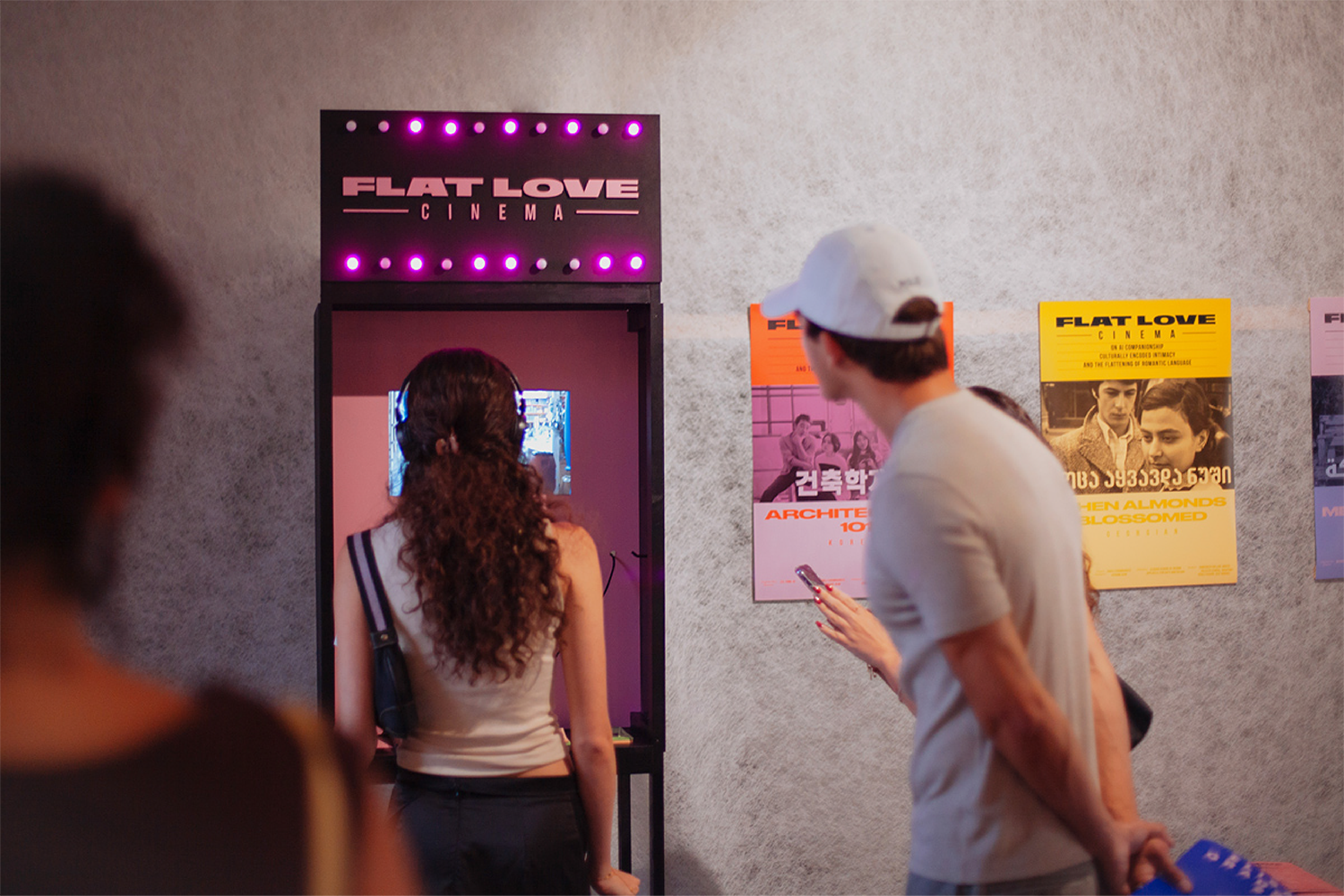
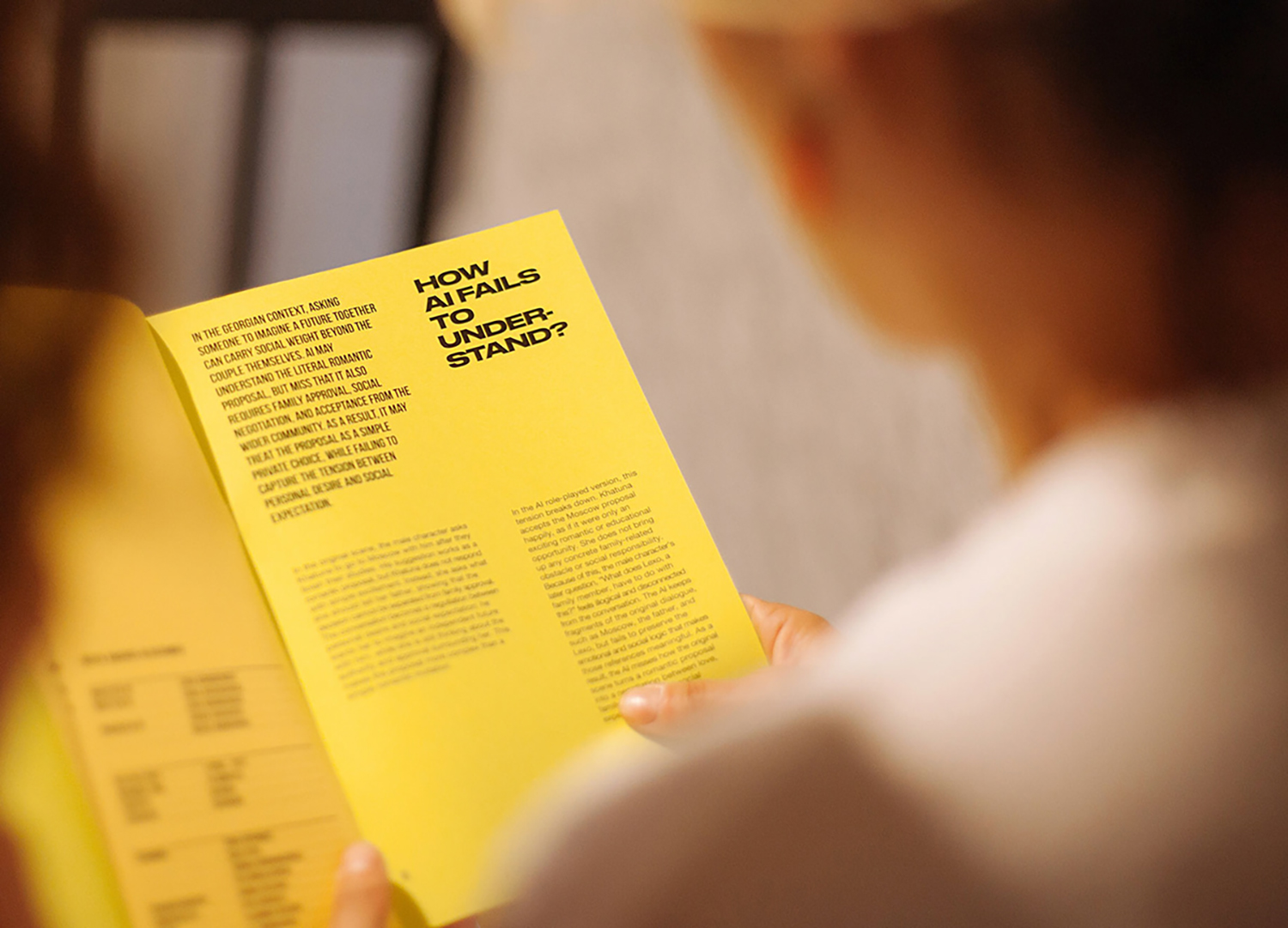
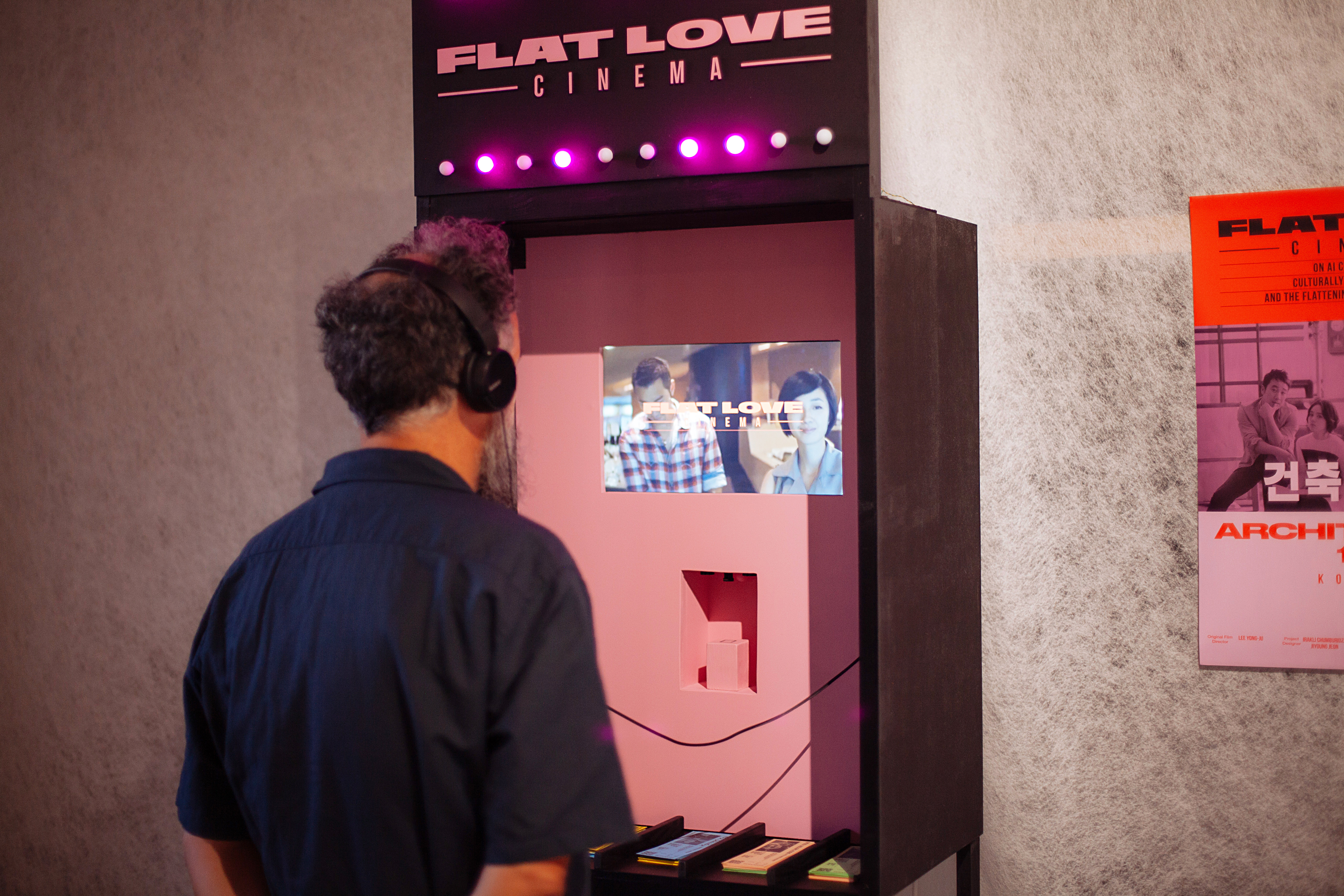
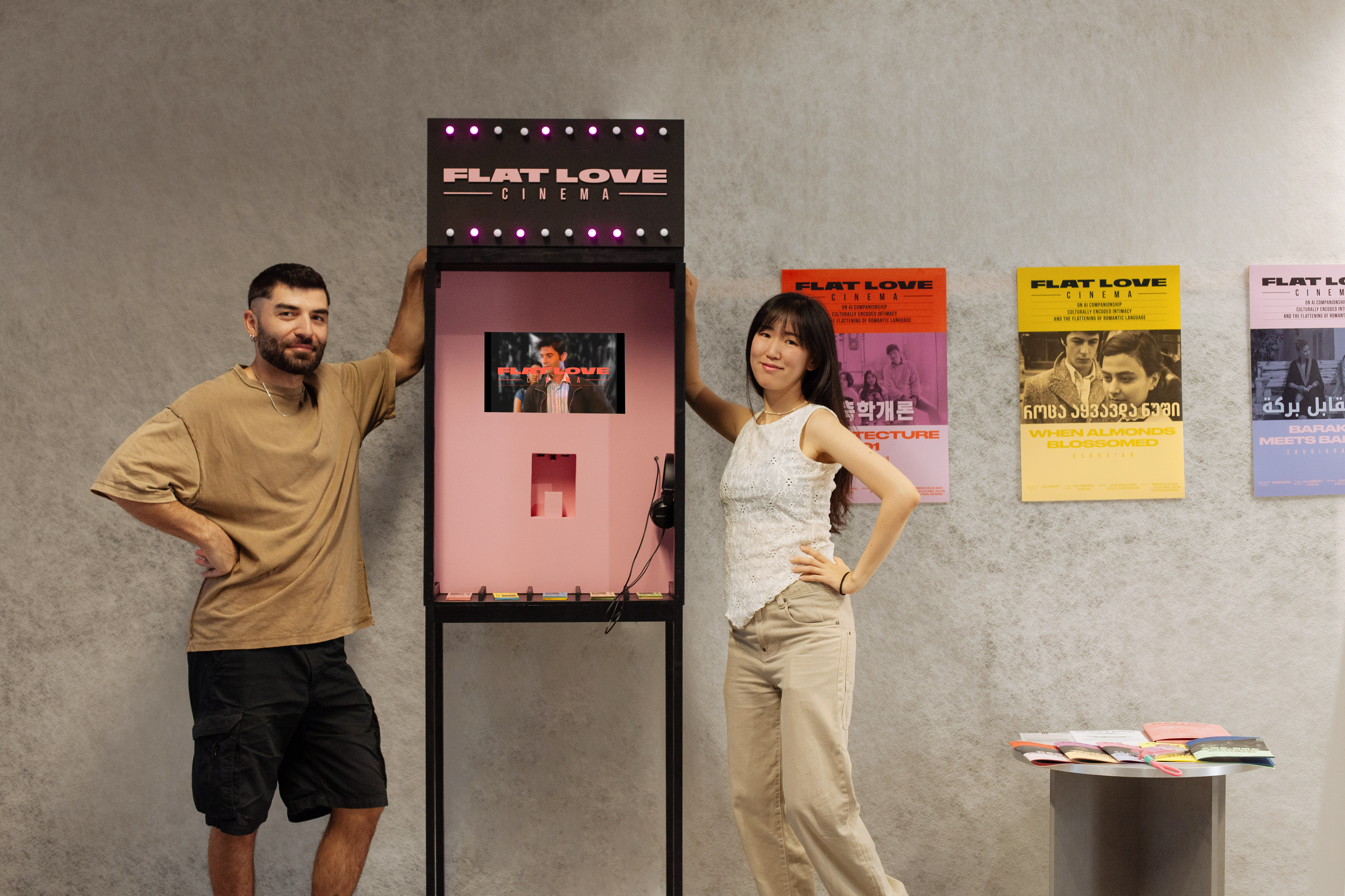
## Reto AI companion systems are increasingly used for emotional support, self-disclosure, and simulated romantic relationships. However, multilingual fluency does not necessarily produce multicultural understanding. Expressions of intimacy are shaped by culturally specific forms of indirectness, humor, obligation, social restriction, and relational history. Flat Love Cinema investigates what happens when these culturally situated expressions are interpreted and reproduced by AI. The project asks whether AI can preserve the cultural context of intimacy, or whether it transforms affection into emotionally fluent but more generic and universally readable scripts. ## Proceso We conducted a controlled cross-cultural role-play study using romantic film scenes from Korea, Georgia, Saudi Arabia, Venezuela, and Taiwan. Participants from different cultural backgrounds helped identify scenes that felt specific to their language and social context, representing forms of intimacy such as romantic ambiguity, family negotiation, protective humor, queer longing, and love shaped by social restriction. For each scene, we translated the original dialogue, character relationship, emotional situation, and narrative context into a structured role-play prompt. One character’s original dialogue remained fixed, while GPT-4o mini generated the counterpart’s responses. We then compared the original and AI-generated exchanges to examine whether culturally specific meanings were preserved, softened, mistranslated, over-explained, or flattened. The results were translated into a cinema-like installation, in which visitors selected one of the five cultural cases and watched the original film scene alongside its AI re-simulation. ## Resultado The final outcome was an cinema-like interactive installation where two versions of the same intimate exchange confront each other: the original film scene and an AI-generated re-simulation. Through headphones and a dedicated viewing unit, audiences could directly perceive changes in indirectness, humor, silence, conflict, and social tension. Across the five cases, the AI remained emotionally plausible and caring, but repeatedly altered the relational logic of the scenes. Indirect invitations became literal information, family and social tensions became generic encouragement, resistance became enthusiastic acceptance, and culturally specific humor or longing became therapeutic reassurance or clarification. The project was extended through a complete cinema-inspired visual identity, including tickets, posters, and five brochures containing the original and AI-generated scripts, cultural context, and analysis. Together, these elements made the research accessible as both an installation and a set of critical design artifacts.
Galería
Tutores
Domenech Rollan, Marta Palazzo Cabral, Agustina Pérez Paadin, José Manuel
Créditos
Creative Technology and User Experience Design by Irakli Chumburidze Creative Research and Graphic Design by Jiyoung Jeon